This story continues from Part 8 - The index of this series is here
**THE GORGEOUS GARDEN**
As mentioned in the last part, the main aim of Doi Ang Khang's royal research centre is to demonstrate how to grow the varieties of plants and flowers to the local hill tribe people, the poorest group of people in the country. The centre is also well-known for its huge, distinctive, and colourful gardens. As a person from the hotter part of the country, I found most of the plants were new to me. Most of which I only knew them by their name, but many of them were completely new to me. My excitement grew stronger and stronger when we travelled deep inside the centre which consists of numerous number of gardens. The most beautiful of all was "The 80 Garden" - its name was dedicated to the King's Mom 80th birthday cerebration - where we hopped off the car and started wandering through the prime parts of the centre. From now on, I'll let the photos describe how gorgeous the garden was.


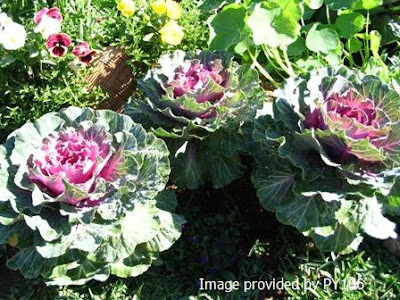


Stunning, isn't it? We were having a very good time inside the centre, not even any single argument. They say that the plants and flowers in the centre are in bloom all year round. So, this is one of the must visit if you love wandering around beautiful gardens. The morning visit will be the best since the flowers will deteriorate a bit with the tropical sun. One last thing, the winter Sun in Thailand rise since half past 6 in the morning and it's very strong, so make sure you arrive before 10.
In the next, and hopefully the last, part of this series I will share my experience on the Thai-Myanmar military camp and the famous 'Tanatorn' orange farm. See you soon!!!
THIS STORY CONTINUES IN THE NEXT PART...


Stunning, isn't it? We were having a very good time inside the centre, not even any single argument. They say that the plants and flowers in the centre are in bloom all year round. So, this is one of the must visit if you love wandering around beautiful gardens. The morning visit will be the best since the flowers will deteriorate a bit with the tropical sun. One last thing, the winter Sun in Thailand rise since half past 6 in the morning and it's very strong, so make sure you arrive before 10.
In the next, and hopefully the last, part of this series I will share my experience on the Thai-Myanmar military camp and the famous 'Tanatorn' orange farm. See you soon!!!
THIS STORY CONTINUES IN THE NEXT PART...